Contents
The Anatomy of a Diss: Decoding the Cover's Visual Allegations
The Legal Fallout: Drake's Lawsuit and the UMG Dismissal
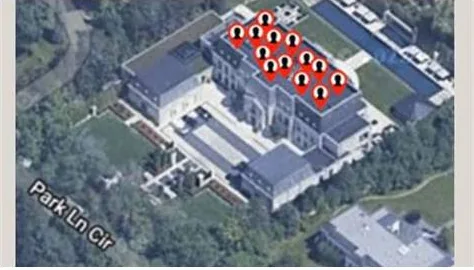
The controversy surrounding the "Not Like Us" cover and song extended far beyond the realm of hip-hop beef, spilling directly into the legal system—a true testament to the track's impact. The most recent and significant development in this saga provides the freshest context for the artwork. The Defamation Case Against UMG In a highly unusual move, a defamation lawsuit was filed against Universal Music Group (UMG), the parent company of Kendrick Lamar's record label, Interscope Records. The lawsuit, reportedly filed by a party associated with Drake, centered on the damaging nature of the allegations made in "Not Like Us" and visually amplified by the cover art. Legal experts labeled the lawsuit as "dangerous" due to its potential implications for artistic freedom and the nature of diss tracks in music. The core argument was that the song and its accompanying artwork—the sex offender registry map—constituted a false and defamatory attack that harmed Drake’s reputation. The legal battle highlighted the fine line between artistic expression within a rap battle and legally actionable libel. The Landmark Dismissal by Judge Vargas In a major victory for Kendrick Lamar and UMG, a U.S. federal judge dismissed the defamation case. U.S. District Judge Jeannette Vargas ruled against the plaintiff, effectively allowing the song and its controversial cover art to stand as protected artistic expression within the context of the highly publicized feud. This dismissal, which occurred in late 2024/early 2025, is the most crucial piece of recent news related to the "Not Like Us" single. It legally validated the song’s existence and its artwork's message, solidifying its place as a legitimate, albeit extremely aggressive, piece of cultural commentary within the hip-hop landscape. The ruling was seen as a major "L" for the Canadian rapper and a win for the long-standing tradition of no-holds-barred diss tracks.The Broader Cultural Impact and Hip-Hop History
The "Not Like Us" cover art will be remembered not only for its controversy but for how it redefined the visual component of a diss track. It moved beyond simple caricature or unflattering photos, opting instead for a documentary-style piece of evidence—whether fabricated or not—to make its point. A New Standard for Visual Dissection The artwork set a new standard for visual dissection in music beefs. It forced audiences to engage with the image as if it were a genuine piece of investigative journalism, prompting countless hours of online sleuthing to verify the map's location and the pin count. This engagement transformed the single cover from a passive promotional image into an active participant in the narrative. The cover's success is inseparable from the song's: "Not Like Us" broke streaming records and became a cultural phenomenon, largely because the visual accusation was so clear and so shocking. It forced listeners to confront the darkest allegations of the beef head-on. Entities and Topical Authority in the Beef The entire saga is rich with entities that contribute to its topical authority:- Kendrick Lamar: The artist whose lyrical and visual choices drove the narrative.
- Drake (Aubrey Graham): The target of the allegations, whose Toronto home (The Embassy) became the implied location.
- UMG (Universal Music Group): The record label dragged into the legal battle.
- "Meet the Grahams" / "Push Ups" / "Like That": The other key tracks that formed the narrative arc of the beef.
- DJ Mustard: The producer of "Not Like Us," whose beat provided the West Coast anthem feel.
- FamilyWatchDog.us: The type of online service the cover visually references.
- U.S. District Judge Jeannette Vargas: The judge who ruled on the defamation case, providing the final legal word on the matter.