Contents
Brian Thompson: A Life and Career Profile
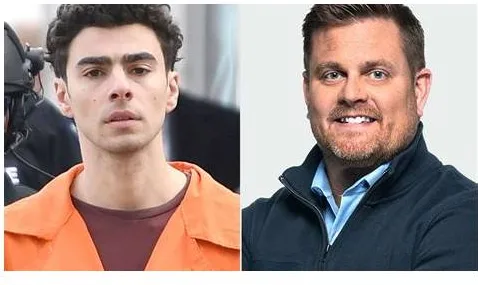
Key Biographical and Professional Milestones:
- Full Name: Brian Thompson
- Age at Death: 50
- Education: Certified Public Accountant (CPA)
- Early Career: Worked at PwC (PricewaterhouseCoopers).
- UnitedHealth Group Tenure: Joined the company in 2004.
- Key Roles: Led UnitedHealthcare's government programs, including the Medicare & Retirement and Community & State businesses.
- CEO Appointment: Named Chief Executive Officer of UnitedHealthcare in 2021.
- Date of Death: Shot and killed in Midtown Manhattan, New York City, on December 4, 2024.
The Chilling Ideological Motive and the Words on the Bullet Casings
The murder of Brian Thompson was quickly determined to be a targeted, premeditated attack, not a random act of violence. The investigation soon led to the arrest of Luigi Mangione, a 26-year-old man, who was apprehended following a nationwide manhunt. The most shocking evidence uncovered by investigators pointed directly to an ideological motive rooted in deep-seated resentment toward the health insurance industry.The Motive’s Disturbing Symbols:
- The Notebook: Mangione allegedly possessed a notebook containing writings that expressed intense "hostility towards the health insurance industry."
- The Shell Casings: The shell casings recovered from the crime scene were found to have three words emblazoned on them: "deny," "defend," and "depose."
Latest Legal Updates on Suspect Luigi Mangione (December 2025)
As of late 2025, the legal proceedings against Luigi Mangione are at a critical juncture, with his defense team actively challenging the most severe charges. Mangione was initially indicted on a total of eleven state charges and four federal charges, including first-degree murder in furtherance of terrorism.Key Legal Developments:
- Terrorism Charges Dismissed: In a major development in September 2025, a New York judge dismissed the terror-related murder charges against Mangione.
- Remaining State Charge: Despite the dismissal, Mangione still faces the serious state charge of second-degree murder.
- Federal Charges: The suspect faces multiple federal counts, including using a firearm to commit murder, interstate stalking resulting in death, and stalking through the use of a facility of interstate commerce.
- The Death Penalty Fight: Mangione's lawyers are currently attempting to have the death penalty taken off the table, arguing against the federal charges that could potentially lead to a capital case.
- Evidence Hearing Conclusion: A crucial evidence hearing in the New York case recently concluded, with both the prosecution and the defense resting their cases, setting the stage for the next phase of the trial.
The Industry Reckoning and Corporate Security Fallout
The murder of Brian Thompson immediately exposed a deep vein of public exasperation and anger directed at the health insurance industry. Social media platforms were flooded with vitriol from Americans frustrated with rising medical costs, complex regulations, and the constant battle to get claims approved.Impact on the US Healthcare System:
The incident forced a difficult conversation within the industry, with some calling for a genuine "industry reckoning." UnitedHealth Group CEO Andrew Witty acknowledged the systemic flaws and the outpouring of public feeling in an op-ed following Thompson's death.
The public outcry was fueled by the perception that insurance giants prioritize profits over patient care, a sentiment tragically symbolized by the words found on the shell casings. Analysts noted that the stock prices of major insurance firms, including UnitedHealthcare’s peers, experienced declines immediately following the event.
The Rise of Executive Protection In the aftermath of the attack, corporate executive security became a top priority across all sectors, particularly in the high-stakes world of healthcare and finance. UnitedHealth Group, the parent company of UHC, confirmed that it would significantly increase security measures. CEO Andrew Witty informed employees of enhanced security protocols, including greater "perimeter protection" at company sites. This event underscored a growing threat landscape for corporate leaders, who are increasingly seen as symbolic targets by extremist actors or individuals with ideological grievances. Companies are now spending record amounts on executive protection, increasing the use of plain-clothed security details and focusing on high-risk locations and public events. The murder served as a stark, tragic reminder that high-profile business leaders face not only online harassment but also escalating threats of violent attacks.